How to Taste Heirloom Wheat: A Beginner's Guide to Flavor Notes
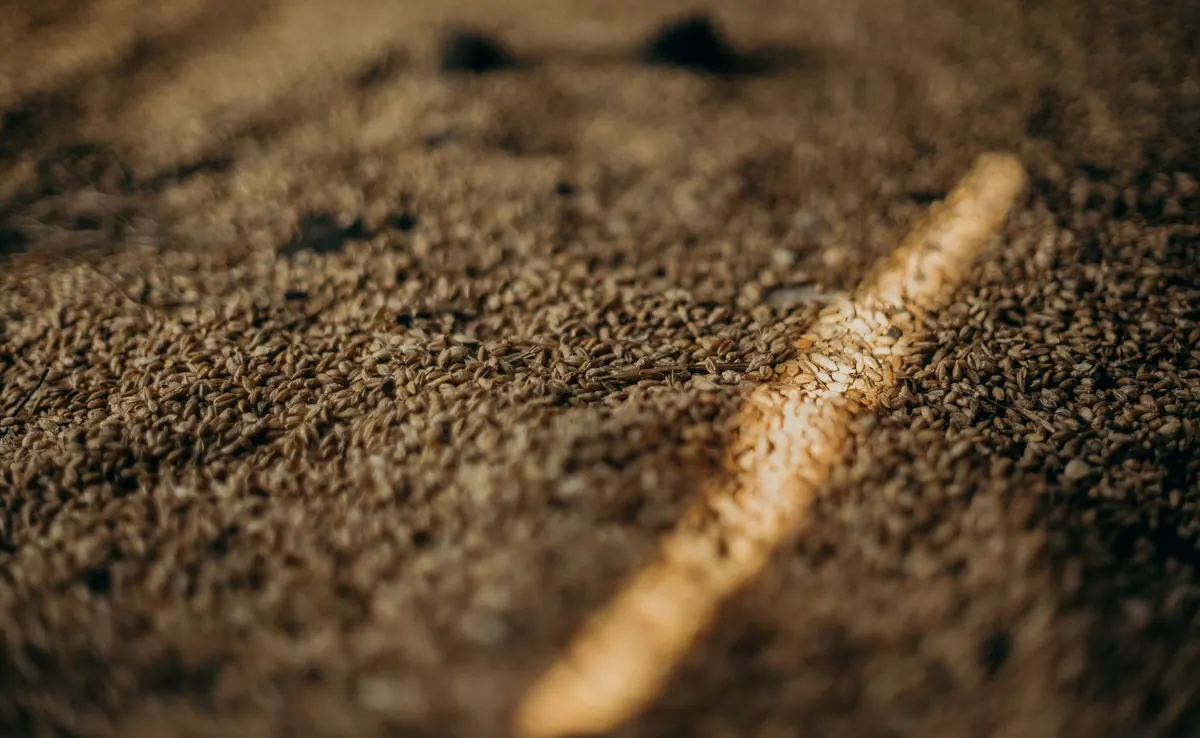
Wheat has a flavor. Most of us have never met it. The flour on the supermarket shelf is a blend, built for consistency, so the grain behind it stays quiet by design. Heirloom wheats are not quiet. Einkorn leans sweet and yellow. Emmer carries a green, faintly bitter edge in the bran. Khorasan tastes of butter before you have added any. Learning to notice those differences takes an afternoon, a saucepan and a willingness to chew.
Why Heirloom Wheat Tastes Different
Heirloom wheats are not one thing. Einkorn, emmer, spelt and khorasan belong to different species or subspecies, and each brings its own balance of proteins, pigments and aromatic compounds. Older varieties were also selected for reasons that had nothing to do with industrial baking: tall straw, tolerance of thin soil, flavor at the family table. That history ends up in the bowl.
Three forces shape what you actually taste. Genetics set the ceiling. Soil, weather and harvest year push it up or down. Milling and freshness decide how much survives the journey to your kitchen. A stone-ground whole einkorn milled last month tastes nothing like a bag that has stood open since spring; the oils in the germ go stale and the sweetness turns to cardboard.
This is why a tasting needs a little discipline. If you compare whole-grain emmer against white bread flour, you are mostly tasting bran. Keep the extraction rate, the recipe and the age of the flour as close as you can, and the variety gets a chance to speak for itself.
Set Up a Simple Tasting at Home
You do not need a laboratory or a special vocabulary. You need small quantities, a neutral setting and a pen. Set aside an hour when you are not hungry enough to eat everything in sight and not so full that nothing registers.
- Choose four to six single-variety samples. Fifty grams of each is plenty. Look for flour that names the variety on the bag, not just "heirloom wheat".
- Cook the whole berries. One part grain to two and a half parts water, a pinch of salt, simmered for twenty to thirty minutes until chewy but not split. This is the cleanest read on flavor you will get.
- Make a plain flatbread from each flour. Flour, water, salt, a little time. No sugar, no butter, no sourdough starter with a personality of its own.
- Label everything. Four bowls of beige grain all look alike after ten minutes, and mislabeled samples will ruin your conclusions.
- Set out water and plain crackers. You will need them between samples.
Taste the cooked grain warm, then again at room temperature. Some notes only appear once the starch cools, and a few, particularly sweetness, fade quickly. Smell each raw flour too, but do not eat it raw; a pinch rubbed between your fingers tells you more than a mouthful would anyway.
The Three Flavor Families
Most tasting notes for heirloom wheat fall into three loose camps. They overlap constantly, and that is fine. Think of them as directions rather than boxes.
Earthy
Earthy notes sit low and dark: wet soil, cooked beet, dried mushrooms, fresh-cut hay, sometimes a pleasant bitterness right at the back of the tongue. Emmer is the usual suspect, and darker bran-heavy flours will read earthy even when the variety itself is mild. Bitterness is not automatically a fault, but it should be short and clean. A bitterness that lingers like aspirin usually means old flour or bran that has been sitting too long.
Nutty
Nutty is the easiest note for a beginner to catch, partly because toasting creates it. Hazelnut, raw almond, sesame, a warm graham-cracker quality. Spelt and khorasan tend to land here, and a good red wheat like Turkey Red gives a deep, almost toasted-walnut flavor that survives a long bake. Be careful: any flour browned in a hot oven will taste nutty. Judge nuttiness in the grain and the flatbread, not in a dark crust.
Sweet
Sweetness in wheat is not sugar. It is a round, milky, almost corn-like impression that arrives first and leaves fast. Einkorn is the classic example, and soft white wheats such as Sonora can taste downright creamy. You will notice it most in cooked grain and in a plain flatbread eaten the same day. If you only ever taste these wheats in a two-day-old loaf, you will miss the sweetness entirely.
How to Taste Without Fooling Yourself
Put a small spoonful of cooked grain in your mouth and chew slowly, fifteen to twenty times. Notice the first impression before you decide anything; that first second is the most honest. Then exhale gently through your nose while the grain is still in your mouth. Most of what we call flavor is aroma travelling upward, and this is the moment the nutty or grassy notes appear.
Swallow, then wait. Twenty or thirty seconds later, ask what is left. A clean finish fades to mild starch. A long finish might be pleasantly malty, or it might be the dry, papery aftertaste of stale flour. Both are information.
Between samples, rinse with water and take a bite of plain cracker. Do not taste more than three samples before resetting. And write something down immediately, even if it is only "tastes like popcorn" or "bitter, do not like". Those rough notes are worth more than a refined vocabulary you cannot remember an hour later.
Comparisons Worth Trying
Flavor only becomes visible next to something else. Once you have a few samples, pair them deliberately.
- Einkorn against a soft white wheat. Both lean sweet; einkorn usually has more color and a firmer chew.
- Emmer against durum. Two dense, savory wheats, but emmer tends greener and durum more golden and semolina-like.
- Khorasan against spelt. The buttery, big-grain softness of khorasan beside spelt's sharper, more rustic nuttiness.
- Rouge de Bordeaux against Turkey Red. Two red French and American classics; one is often described as spicy and aromatic, the other as deep and toasted. Taste both and argue with the descriptions.
Mistakes That Flatten the Difference
- Tasting too many samples at once. Four is generous. Seven is mush.
- Letting butter do the talking. Fat and salt are wonderful and they hide everything.
- Comparing different extraction rates. Whole grain against white flour is a bran test, not a variety test.
- Using flour of unknown age. Check the mill date if it is printed, and smell the bag before you commit.
- Trusting one bake. A single flatbread can go wrong for reasons that have nothing to do with the wheat.
Keep a Notebook, Keep Tasting
A cheap notebook will teach you more than any flavor wheel. Give each tasting a page with a few fixed columns: variety, miller, mill date, extraction rate, how you cooked it, first impression, mid-palate, finish, and whether you would buy it again. Half a dozen sessions in, patterns appear that memory alone would never hold. You will find that you consistently reach for emmer in winter soups, or that the sweetness you loved in einkorn porridge disappears in a long-fermented loaf.
Then change one thing and repeat. Same variety, different miller. Same miller, next year's harvest. Same wheat, sharper bake. Heirloom wheat rewards that kind of patience, and the reward is modest and real: a slice of bread that tastes of a specific field rather than of a specification.
Photo: cottonbro studio / Pexels