8 Wheat Storytelling Prompts for Recording Family Bread Memories
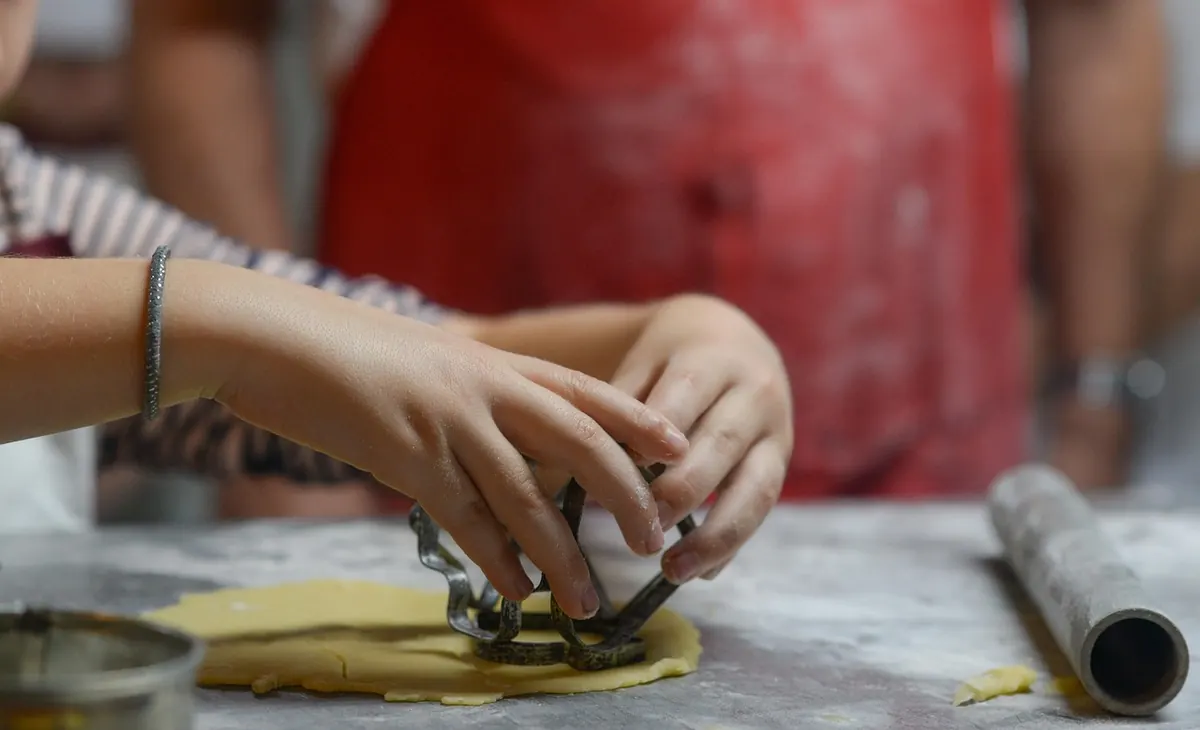
Bread memories often live in hands and noses rather than in documents. A recipe card may list flour, water, salt, and yeast, but it rarely records the cold morning when the dough would not rise, the uncle who judged the oven by holding his palm inside it, or the argument over who got the first slice. Recording those details now is a practical way to keep a family’s wheat traditions from thinning into guesswork.
The prompts below work for spoken interviews and for written memories. Use one at a time. Ask the question, then wait. Follow a tangent if it has texture. If someone says, “We just made bread,” ask what “just” looked like on a Tuesday morning: who was awake, what was on the table, which bowl was used, what the kitchen sounded like while the dough rested.
Set the Table for a Good Conversation
Choose a quiet half hour rather than a crowded holiday meal. Put a phone recorder between you, test it for thirty seconds, and say the date, place, and names at the start. If you are recording an older relative, explain where the file will be kept and who will hear it. Ask permission before photographing recipe cards, tools, or flour bins.
- Bring one recipe card, one old photograph, or one tool to the table. Objects jog specific memories faster than general questions.
- Ask open questions that begin with “what,” “how,” or “who,” not “did you.” “Did you bake?” closes a door; “What do you remember about baking day?” opens one.
- Do not correct dates or measurements while the story is moving. Note the uncertainty and ask later.
- Use follow-ups that return to the senses: “What did it smell like?”, “What did the crust sound like when it cooled?”, “What was happening in the room while the dough rose?”
- For a written memory, set a ten-minute timer and write without editing. Later, keep the concrete details and cut the summary sentences.
Eight Prompts for Family Bread Memories
1. The first loaf you remember
Ask for the earliest bread memory, not necessarily the first loaf ever baked. Where was the kitchen? Who was baking? What time of day was it? Was the bread round, long, flat, braided, or scored with a particular mark? Follow with: “What did the crust sound like when it cooled?” and “Was there a slice that belonged to someone in particular?” For a written version, begin with the sound of the knife or the smell of the warm loaf and build the scene around one person’s hands.
2. The recipe that lives in hands, not cups
Ask the baker to teach the recipe aloud to someone who has never made bread. Listen for measurements by feel, weather, and sound: “until the dough comes together,” “when it feels warm,” “when it stops fighting the bowl.” Ask how they know the dough is ready, what they do when the humidity changes, and which step they would never rush. Write down both versions: the tidy recipe for the card and the spoken notes that explain what the card leaves out.
3. The wheat before the flour
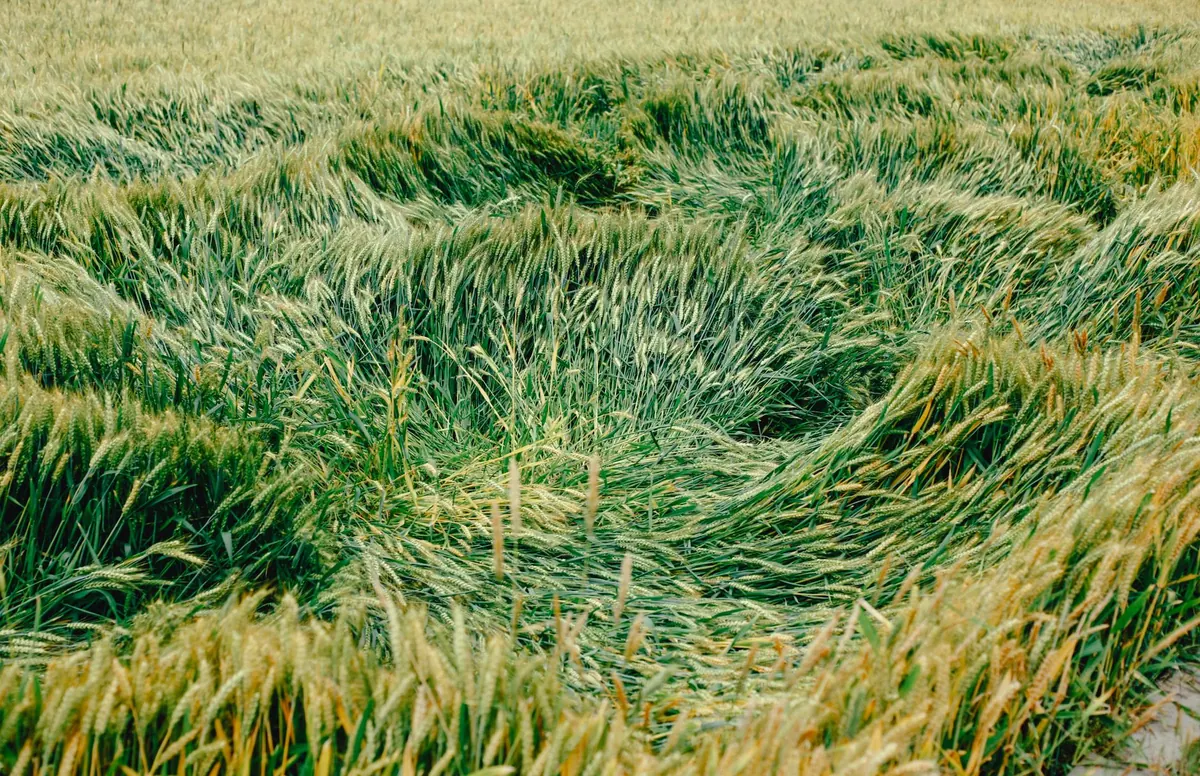
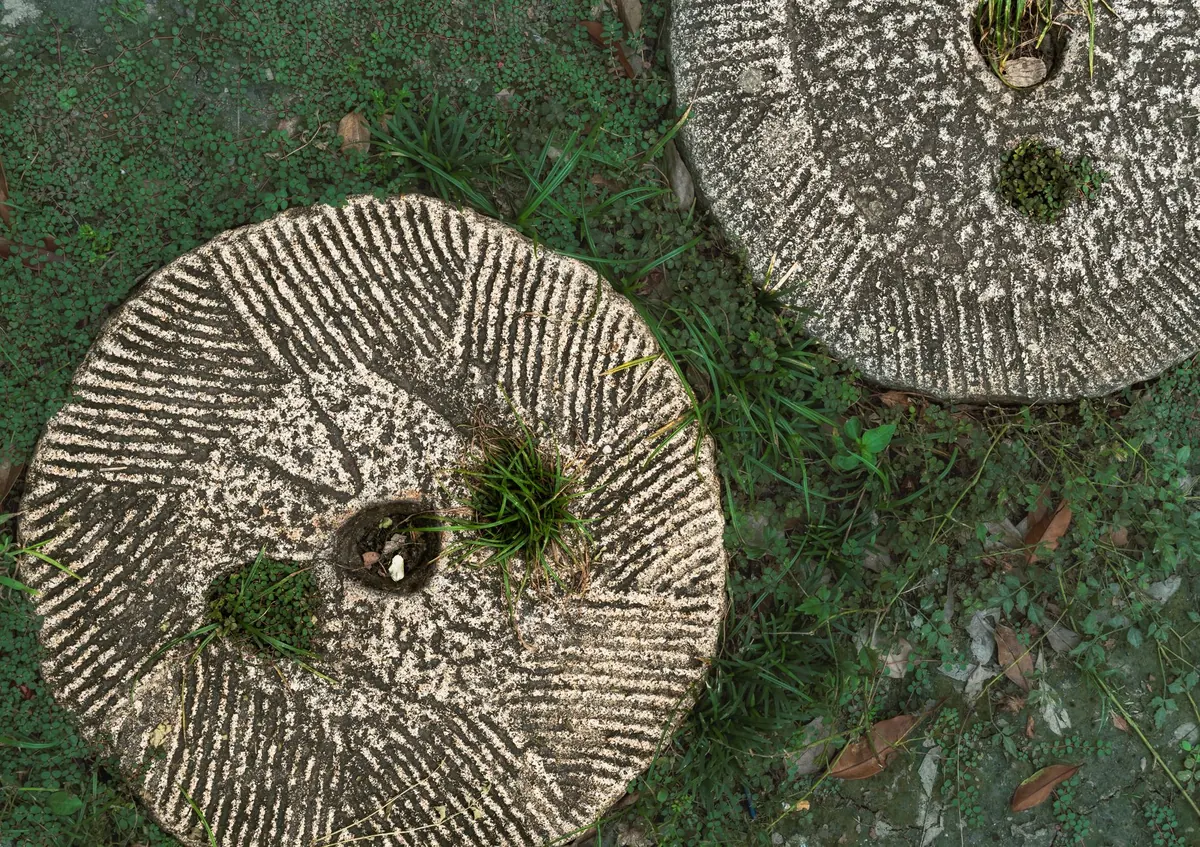
If your family farmed, ask about the field, the harvest, the sacks, the mill, and the flour dust. Who saved seed? Who took grain to be ground? What words did people use for wheat, chaff, bran, and flour? If your family bought flour instead, ask where it came from, how it was stored, and what a full flour bin meant in the household. These answers connect a loaf to a landscape, even when the landscape is a village shop or a neighbor’s mill.
4. The rhythm of bread week
Bread often has a calendar. Ask which day was bake day, who fed the starter, who kneaded, and which jobs belonged to children. Was the oven fired with wood? Was dough left near the stove, under blankets, or in a cool pantry? “Who was not allowed to touch the dough?” can bring out household rules and small rebellions. For writing, describe the house on bake day: the damp cloth, the waiting bowls, the heat, the first cut, the crumbs on the board.
5. The tools that remember
Ask about the bowl, the trough, the peel, the linen cloth, the knife, the board, or the scales. Which tool was repaired rather than replaced? Which one was handmade? Where was it kept, and who was allowed to move it? If you can record video, ask the person to show the worn spot on the table or the crack in the bowl. Then write a short history of that object: who made it, what it did, and what it still smells like.
6. When flour was short
Ask carefully, without assuming hardship: “Were there weeks when bread was different? What changed?” Families may remember mixing in potatoes, cornmeal, beans, or bought bread, or stretching a loaf further. Ask what happened to stale bread, whether crusts were saved, and which bread was kept for special days. The point is not to force a story of scarcity but to capture resourcefulness, substitutions, and the small decisions that shaped the daily loaf.
7. Bread for the calendar
Local wheat traditions often appear on particular days: harvest, weddings, funerals, saints’ festivals, Christmas, Easter, births, or the arrival of a new household. Ask which bread had a name, which shape belonged to which occasion, who received a loaf, and who cut it. Was bread blessed, given away, broken by hand, or left at a doorway? Write about one occasion from the point of view of a child in the room, noticing what the adults did without explaining it.
8. Advice for the next baker
Close with the future. Ask what a new baker should get right, what is not worth worrying about, and which mistake is worth making. “How do you tell when the bread is ready?” and “What smell says home to you?” often produce lines worth keeping. Record the practical tips in the baker’s own words, then add a short note about the kitchen, the year, and the person who gave them. That note turns advice into inheritance.
Turn Answers Into a Family Record
Label recordings the same day with names, dates, places, and the prompt used. Write a five-line summary while the conversation is fresh: who spoke, what was made, which object appeared, what surprised you, and what needs a follow-up question. Transcribe the strongest ten minutes rather than the whole recording. Keep exact phrases where they carry voice, and mark uncertainty instead of smoothing it away. Store the file in two places, and give a copy to the person who shared the memory.
A Short Recording Checklist
- Choose one prompt, not all eight.
- Put the phone in airplane mode and test the recorder.
- Say names, date, place, and relationship at the start.
- Keep the recipe card or tool within reach.
- Ask one question, then wait through the pause.
- Photograph the card, the tool, and the flour bin.
- Label and back up the file before bed.
One good conversation about a loaf can hold more family history than a drawer of unsigned recipe cards. Start with the prompt that fits the person in front of you, press record, and let the kitchen do the rest.
Photo: ClickerHappy / Pixabay