10 Questions to Ask a Farmer at a Wheat Harvest Day
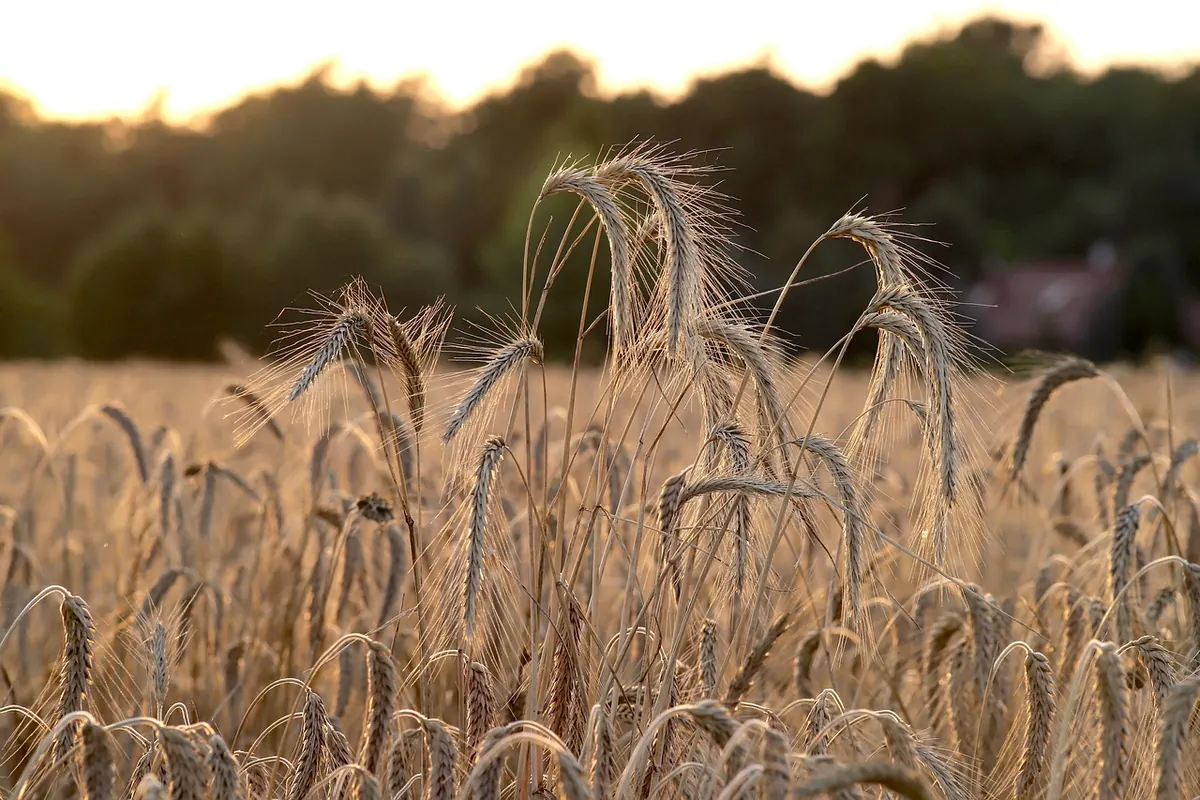
The combine turns at the headland, the dust hangs in the late sun, and someone hands you a jar of freshly threshed grain. A wheat harvest day is a rare chance to see the crop as a crop, not just a bag of flour. The best visits are not silent tours; they are conversations. Farmers are usually glad to explain what they are doing, especially when the question is specific. These ten questions are a starting point. Ask two or three, listen to the answers, then follow the thread.
Start with the crop in front of you
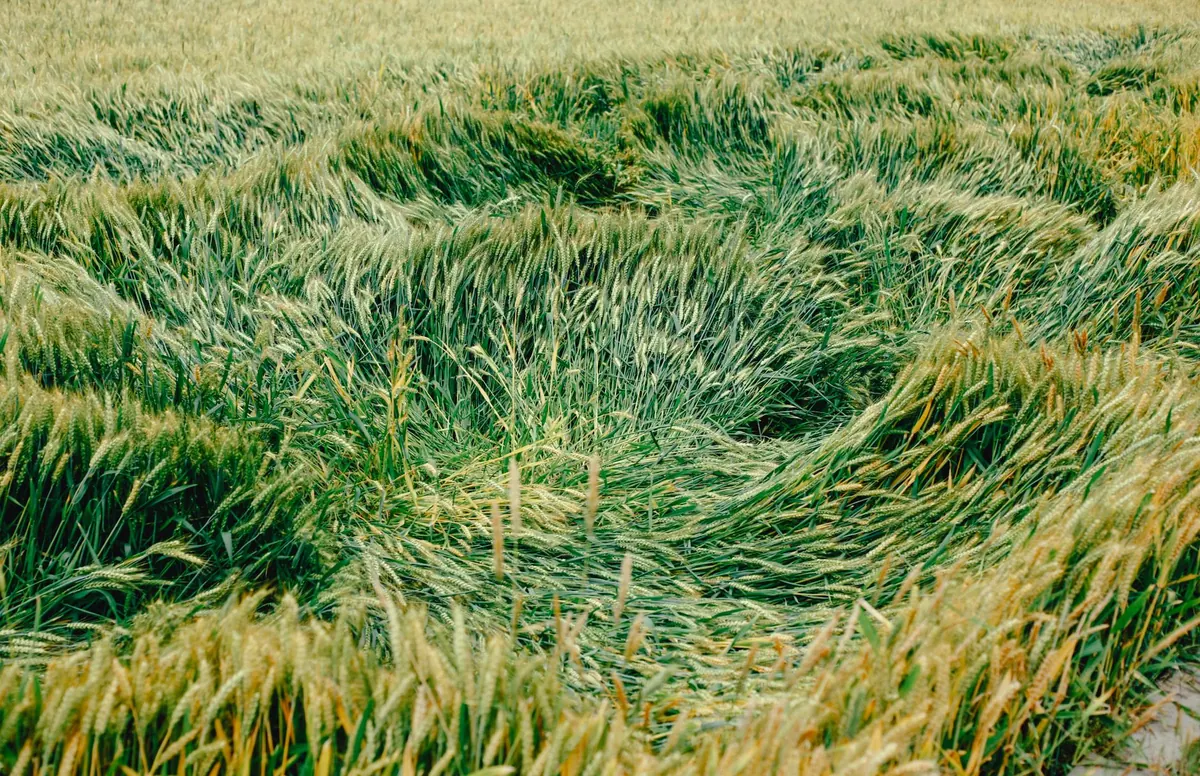
Before you ask anything, look at the field. Notice the height of the wheat, the colour of the straw, the awns, the bare patches, the weeds at the edge. Those details give your questions a place to land. A farmer can tell in a sentence whether you are curious or just collecting facts.
Question 1: Which wheat variety is growing here, and what is it destined for? Variety is not a trivia answer. It is a clue to the whole system. Durum wheat may be grown for pasta, soft wheat for biscuits or pastry, bread wheat for loaves, and some crops for feed or seed. Ask whether it is winter or spring wheat, and whether the farmer calls it hard or soft. If the answer is “it depends on the season”, that is worth following up. It usually means the choice is a compromise between yield, disease resistance, standing power, and what the buyer wants.
Question 2: Why this variety for this field? A farmer might say it stands well in wind, ripens early, resists a local disease, or suits the soil on that side of the farm. They might mention a contract, a mill’s preference, or last year’s disappointment. Good follow-ups: What did you grow here last year? What would make you switch? Those answers show wheat growing as a series of decisions, not a fixed routine.
Ask about timing and weather
Question 3: How do you know when the wheat is ready to harvest? This is one of the most useful questions at a harvest day. Farmers look at the straw, rub the grain, bite a kernel, and test moisture with a meter. They watch how the crop dries down and how the weather is shaping the week. Ask what “fit” means on this farm. If the grain is still green or soft, ask how many days they expect to wait. Avoid demanding a single moisture number; the right level depends on storage, the market, and whether the grain will be dried.
Question 4: How does the weather change your harvest plan? Harvest is a race and a waiting game at the same time. Rain can delay cutting, wind can flatten the crop, and heat can push it toward ripeness faster than expected. Ask how the farmer decides to start, when they stop, and whether they dry grain after harvest. A question about dew and time of day often opens a good conversation: why cut in the afternoon rather than the morning, or why keep the combine running late when the forecast turns.
Follow the grain from combine to store
Question 5: What is the combine doing, and how do you keep losses low? You do not need to understand every lever to ask a useful question. Ask about the header, the reel, the drum or rotor, and the sieves. Then ask the practical one: How do you check for grain left behind? Farmers often walk behind the machine or watch the spread of chaff. Ask what they adjust when the crop is wet, dry, short, or lodged. That is where the skill shows.
Question 6: What happens to the grain after it leaves the field? The answer may include cleaning, drying, cooling, storage, testing, or transport to a mill or merchant. Ask why test weight, moisture, and protein matter later. Ask about the grain store: how it is kept cool, how pests are monitored, how different lots are kept separate. A harvest day ends in the field, but the crop’s story continues in a shed, a silo, or a mill.
Ask about the soil, not just the harvest
Question 7: What will you do to this field after the combine leaves? This is where a harvest conversation becomes a farming conversation. The straw may be baled or chopped. The stubble may be left, grazed, or cultivated. The farmer may sow a cover crop, plan a different crop next year, or try to reduce tillage. Ask what they are trying to protect or improve. Compaction, erosion, organic matter, and earthworms are not abstract ideas when you are standing on the field that has just been cut.
Ask what happens after the field: milling and flour
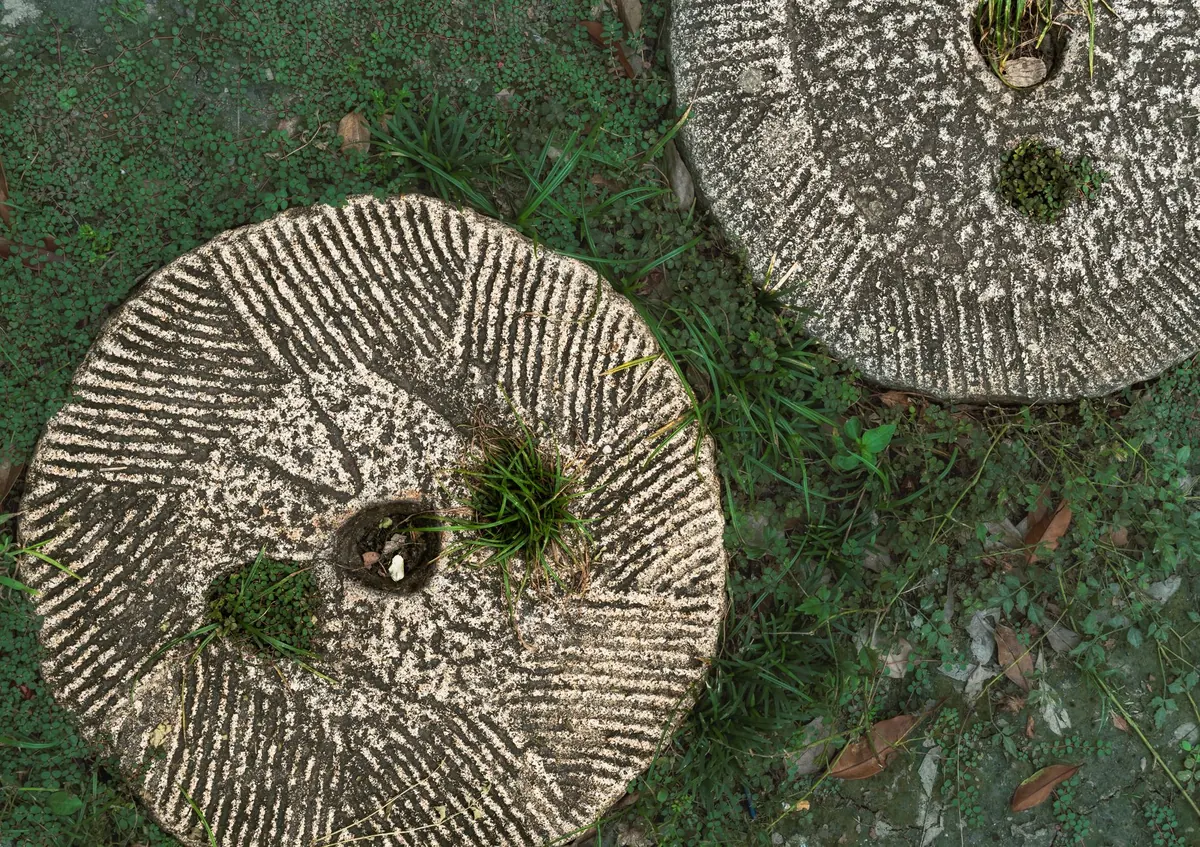
Question 8: How do you decide where the grain goes, and how is it milled? Some grain is sold to a mill or merchant, some is kept for seed, some goes to feed, and some may be milled on the farm. Ask about cleaning, blending, and conditioning. If there is a mill on site, ask why it is stone or roller, and what that does to the flour. The answers connect the field to the kitchen without pretending every wheat is destined for the same loaf.
Question 9: What makes a good milling wheat? Listen for protein, test weight, hardness, moisture, and cleanliness. Ask how the miller or baker judges the grain, and whether the same wheat suits bread, pasta, biscuits, or pastry. A good follow-up is: What would you have to change in the field to make this grain better for milling? That question often reveals the hidden conversation between farmer, miller, and baker.
The tenth question
Question 10: What is one thing you wish more visitors understood about growing wheat? This is the question that often gets the most honest answer. It might be about weather risk, soil care, the cost of a bad week, or the difference between a good-looking crop and a useful one. Let the farmer choose the subject. Then listen without turning it into a debate.
Before you leave the field
A harvest day is not an exam. You do not need to remember every technical term. You need to ask well, stay safe, and leave with a clearer picture of how wheat reaches the mill.
- Ask one question at a time and let the silence work. A short pause often brings a better answer than a second question.
- Ask about trade-offs, not just facts: why this variety, why this timing, why this machine setting.
- Stay behind safety lines. Ask before touching grain, machinery, or a sample that is being tested.
- Wear closed shoes and keep children close. Harvest days are working farms, not playgrounds.
- Ask whether the farm sells flour, grain, or seed, and when the next event is. If you want to follow up, do it politely.
Before you go, write down two things you learned. One might be practical, like why the wheat was cut in the afternoon. The other might be bigger, like how much of the harvest depends on a week of weather. Share those notes with someone. The point of a harvest day is not to become an expert in an afternoon; it is to see the crop as a chain of choices, made by people who know the field far better than any checklist can.
Photo: 3centista / Pixabay